“New report from the National Advocacy Service reveals slow progress made on deinstitutionalisation and shows many people with disabilities face recurring concerns about their privacy, abuse, dignity, autonomy, communication and community participation.”
Key findings shed light on the slow pace of change in moving people with disabilities from institutions to community-based homes and conclude the impact on people with disabilities leads to poor quality of life, deteriorating physical and mental health, social isolation, and a loss of autonomy.
The National Advocacy Service (NAS), has today launched its social policy paper, “Have things moved on? Examining the lived experience and quality of life of disabled people who continue to live in institutional settings”. The report highlights the slow rate of progress made to date and captures the voices and experiences of those who live in institutions, outlining their poor quality of life, exacerbated poverty levels and highlights recurring concerns over privacy, dignity, autonomy, discrimination, abuse and community participation.
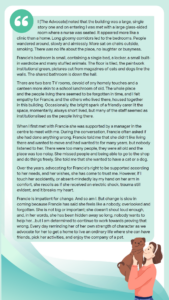
Throughout the paper are stories from disabled people living in institutions who want what we all want: a place they can call home, relationships that matter to them, choices about their everyday lives, and the opportunity to be part of their community. Yet the findings reveal people are often unable to exercise basic choices about how they spend their day, who they spend time with, or even what they eat. In some cases, they live in fear of others due to incompatibility and inadequate responses to abuse.
Congregated settings have long been a feature of the disability services landscape in Ireland, characterised by shared living arrangements, limited personal choice over daily routines, and lack of empowerment and individual autonomy.
Ireland has made significant policy commitments to deinstitutionalisation and independent living. Yet, despite these commitments, the experiences documented throughout illustrate a considerable gap between policy ambition and people’s lived reality. Housing shortages, insufficient community supports, workforce challenges and competing political priorities all continue to impede progress. As a result, 1889 people living in disability congregated registered settings are denied their right to live a good life independently across the country (*latest figures July 2026).
In addition, 1,128 younger disabled people under the age of 65 currently reside in nursing homes. Although not typically classified as a congregated setting, nursing homes often have large numbers of people, limited choice, and a lack of age-appropriate activities. Last year, NAS supported 108 of them.
People living in these institutions experience a near total loss of autonomy, limited personal control, and separation from the wider community. This erosion of individuality is not only dehumanising but the report shows that the sustained negative impact on people living in these institutions raises serious human-rights concerns.
One of the most striking findings of this paper is the transformative impact that can occur when people move from congregated settings into smaller homes in the community and when they receive personalised supports tailored to their individual needs and aspirations. People’s confidence, independence, physical health, mental wellbeing, social participation and overall quality of life improved following successful transitions. Their voices should be central to any future policy development or service reform.
This paper concludes that congregated settings are not compatible with a modern, rights-based understanding of disability grounded in dignity, autonomy, equality and community inclusion. NAS therefore recommends that the Government and HSE develop a new national deinstitutionalisation delivery plan with clear targets, accountability, resourcing, and transparent reporting.
Joanne Condon, NAS National Manager said: “We are delighted today to share this social policy paper developed by NAS which highlights the critical challenges faced by people with disabilities when it comes to moving out of institutions into community-based accommodation. Crucially, deinstitutionalisation is not simply moving people from one form of service to another. It must mean supporting each person to build a life of their own choosing, with the support they need to exercise choice and control over their lives.
The report amplifies the lived experiences and voices of those living in institutional settings, underscoring the urgent need for accelerated progress on deinstitutionalisation. The experiences documented throughout demonstrate that independent advocacy is a critical mechanism for ensuring that people’s voices remain central to decision-making. When people are supported to live in their own homes, make their own choices and participate in their communities, the possibilities for them to live a good life can change profoundly.
Every person should have the opportunity to live an ordinary life, with the same dignity, choice, belonging and opportunities as every other member of society. This paper calls on all key stakeholders to take meaningful steps to ensure swift and full closure of institutions.”
Along with this social policy paper, NAS has also produced an Easy-to-Read leaflet, ‘My Life, My Rights, My Wishes’, which offers a practical resource to promote accessible information, support informed decision-making and enable greater participation by disabled people.
Click to read the full report here.
Click to read the easy read toolkit here.
For media inquiries or further information, please contact:
(+353) 87 335 7496